Why Architects Are Specifying Artificial Green Walls in 2026 Projects

At Calico Greens, we have seen artificial green walls evolve from decorative accents into fully integrated architectural elements, specified early in the design process and engineered to perform for years. In 2026, architects are thinking beyond surface-level aesthetics. Today’s design leaders are focused on longevity, sustainability, operational efficiency, and the overall occupant experience. In doing so, architects are redefining what it means to design responsibly. It is no longer just about how a space looks on opening day. It is about how it performs five, ten, or even twenty years later.

Sustainability Meets Practicality
True sustainability requires a balance between environmental intent and long-term practicality. While living walls can be beautiful, they often demand complex irrigation systems, soil management, drainage planning, grow lights, ongoing plant replacement, and specialized maintenance teams. These systems consume water, electricity, and labor, resources that many 2026 projects are actively trying to conserve.
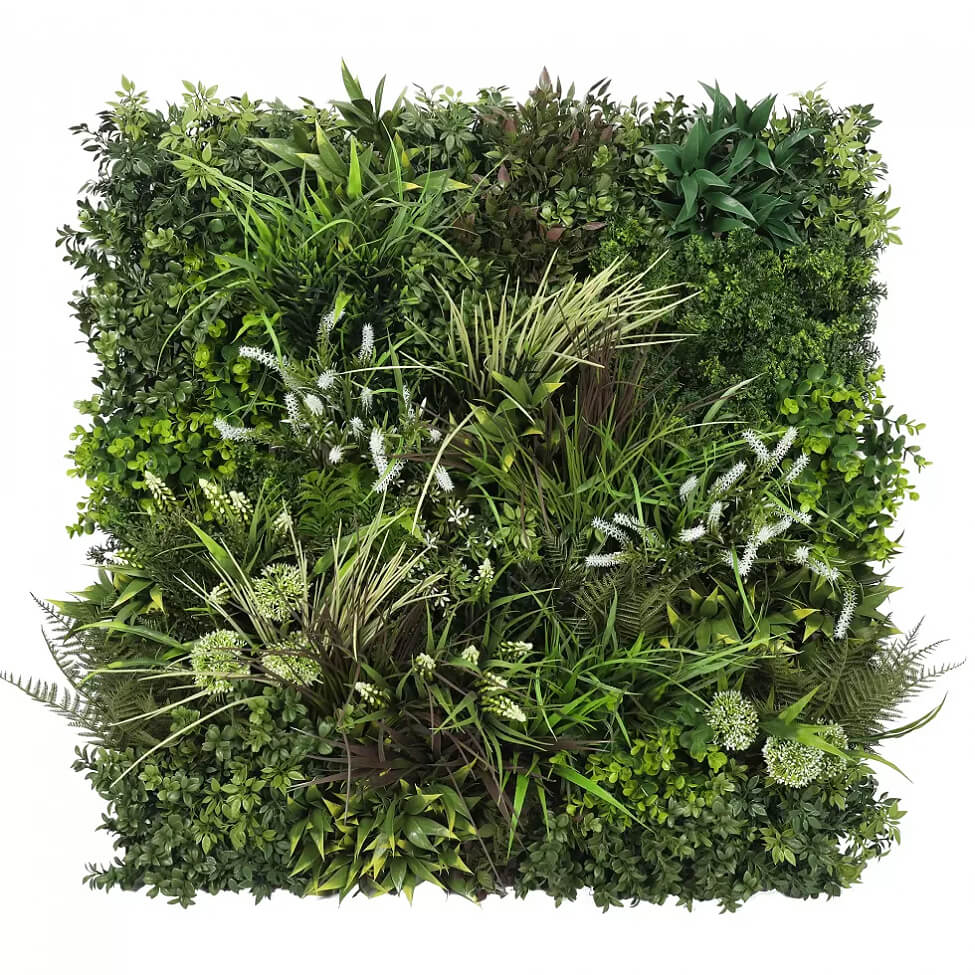
Calico Greens’ artificial green wall systems, like the Tuscany, Hampton, and Burgundy, eliminate those operational burdens. Our panels require:
- No irrigation infrastructure
- No soil or drainage systems
- No fertilizers or pesticides
- No ongoing horticultural service contracts
By removing these inputs, architects can reduce building complexity while still achieving the visual and psychological benefits of greenery. This aligns seamlessly with conservation goals, ESG initiatives, and long-term asset management strategies.
Designed for Architectural Integration
Artificial green walls are no longer an afterthought. Our modular systems are engineered to integrate seamlessly into both new construction and renovation projects.
Architects appreciate that Calico Greens panels can be:
- Installed directly onto existing walls or custom framing
- Integrated into exterior façades
- Incorporated into hospitality feature walls
- Used in commercial lobbies, retail environments, healthcare spaces, and multi-family developments
Because our panels are lightweight and modular, they allow for flexibility during both design and installation. Adjustments can be made without major structural modifications, reducing construction delays and change-order risks. The result is a solution that supports creative expression without introducing operational headaches.

Longevity as a Design Priority
In 2026, durability is as important as design impact. Our artificial greenery is UV-protected and engineered to maintain color, structure, and density over time. Architects specifying Calico Greens systems know that what they design today will remain visually consistent years down the line.
Unlike conventional installations that can experience seasonal thinning, discoloration, or plant failure, our panels deliver predictable, year-round performance. That consistency matters for developers, property managers, and brand-driven environments where visual standards must remain high.
Long-term visual stability reduces maintenance costs, minimizes tenant disruption, and protects the architectural intent of the original design.
Supporting Biophilic Design & Wellness Goals
Biophilic design remains a major influence in 2026 architecture. Research continues to show that exposure to natural textures and greenery supports occupant well-being, reduces stress, and enhances productivity.
Artificial green walls provide the visual richness and organic texture associated with biophilic environments without the operational unpredictability of living systems. This makes them particularly appealing in healthcare, corporate, hospitality, and education projects where consistency and cleanliness are essential.
Architects can deliver spaces that feel connected to nature while maintaining full control over maintenance, sanitation, and performance standards.

A Modern Material for Forward-Thinking Projects
At Calico Greens, we see artificial green walls as a modern architectural material, no different from metal cladding, wood paneling, or stone finishes. They are specified not simply for decoration, but for their performance, adaptability, and long-term value. In 2026, architects are choosing solutions that elevate design while reducing lifecycle costs and environmental strain. Our systems deliver enduring visual impact, streamlined installation, and minimal upkeep — all while enhancing occupant experience.
Incorporate lasting beauty and performance into your next project by specifying Calico Greens for architectural design that endures. Contact us today for details.
Related posts
Read more info about our Artificial Green Walls
Create Greener, More Inviting Study Spaces with Artificial Green Walls for Colleges & Universities
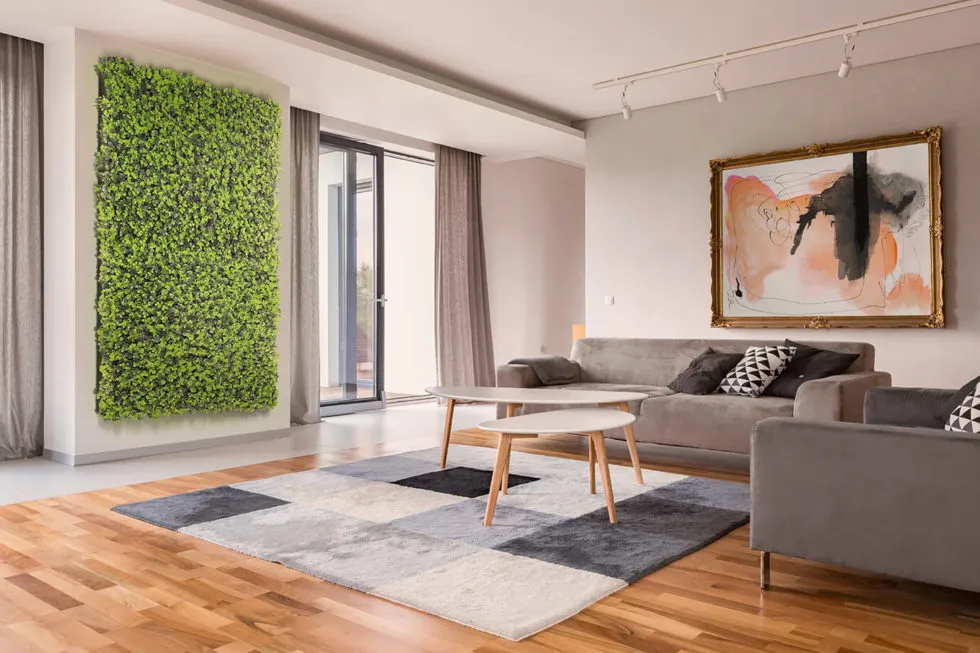
Transform Ordinary Walls into Extraordinary Features with Artificial Green Walls
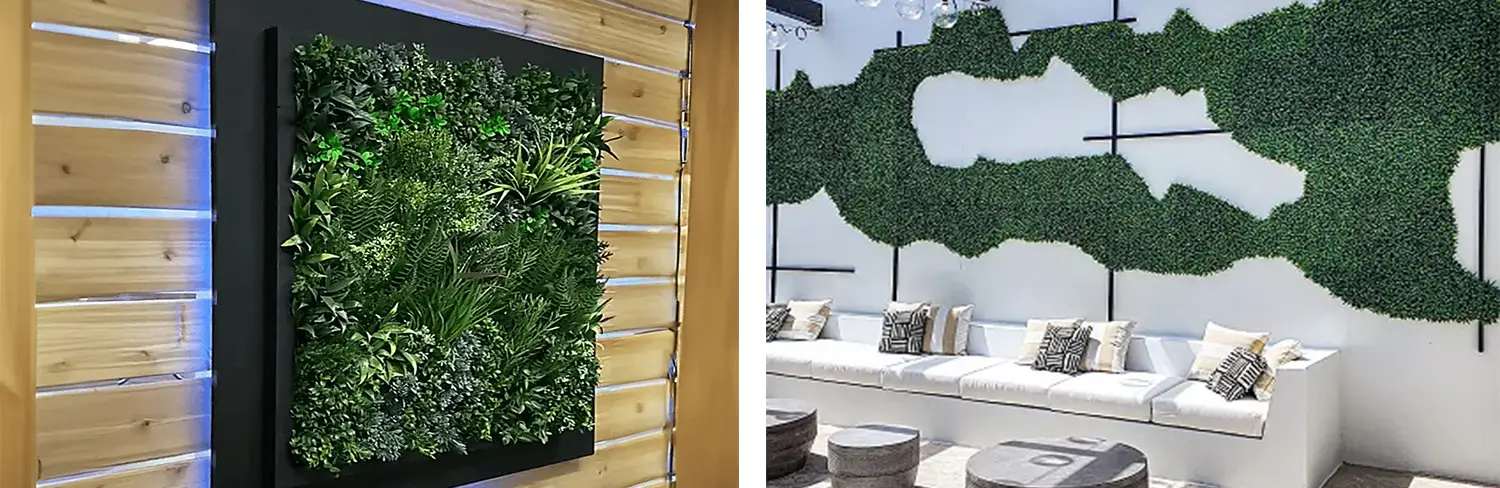
Designing a Green Wall for Your Apartment Balcony or Condo